
Aviator Sunglasses
Women's Aviator Sunglasses
174 products from 30 brands
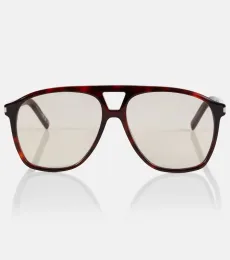
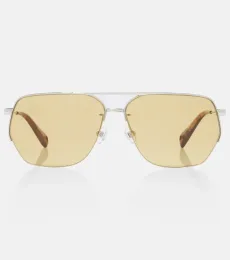
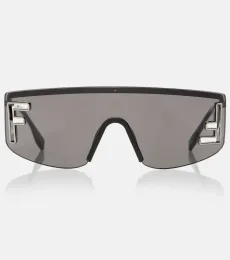
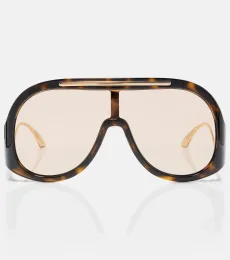
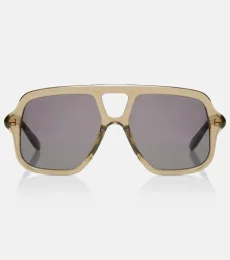
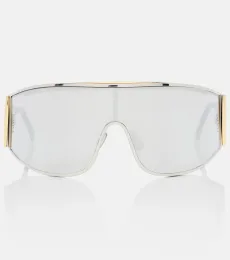
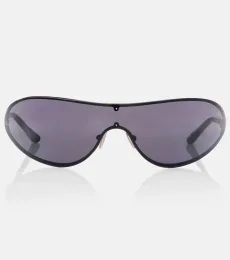
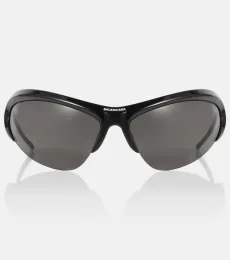
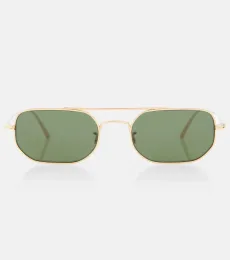
x Oliver Peoples 1989C aviator sunglasses
Shipping : Delivery Costs Apply£340.00 £238.00
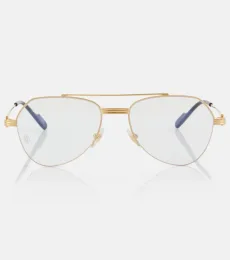
Premiere aviator glasses
Shipping : Delivery Costs Apply£1,130.00
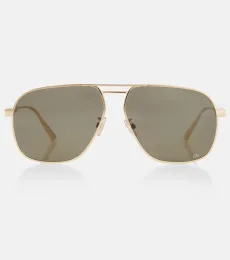
Lunettes de soleil DiorCannage A3U aviateur
Shipping : Delivery Costs Apply£390.00
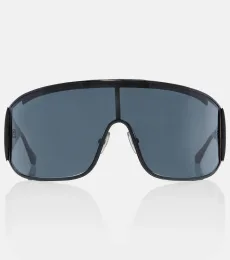
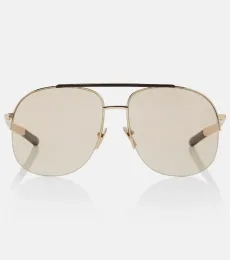
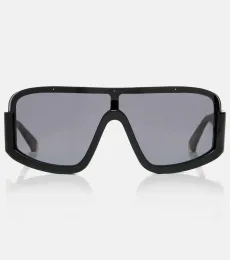
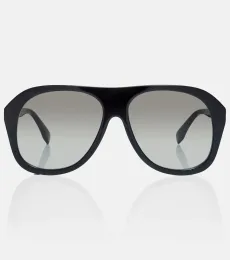
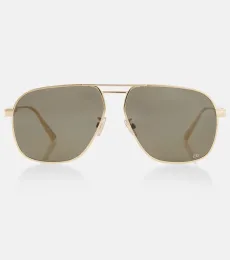
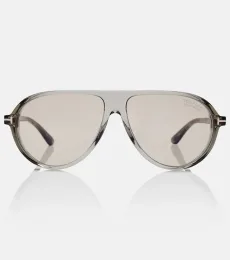
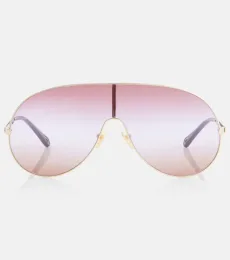
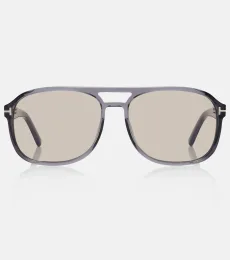
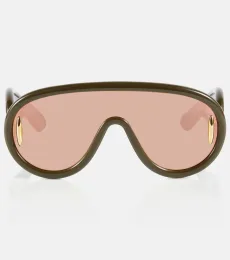
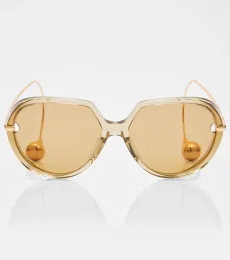
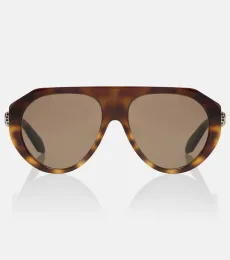
Lunettes de soleil Serpenti Forever aviateur
Shipping : Delivery Costs Apply£470.00
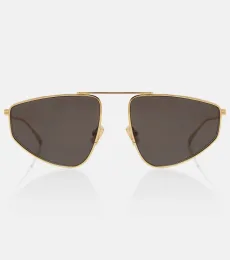
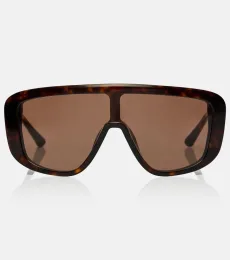
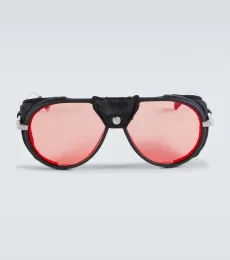
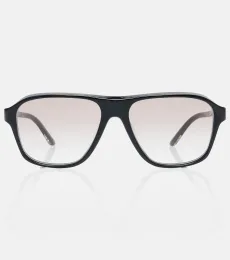
x Oliver Peoples 1978RX oversized sunglasses
Shipping : Delivery Costs Apply£350.00
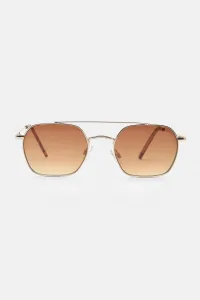
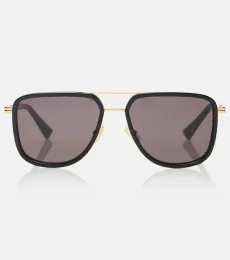
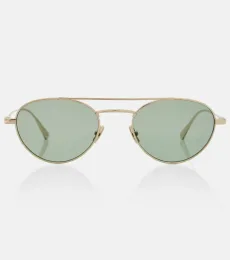
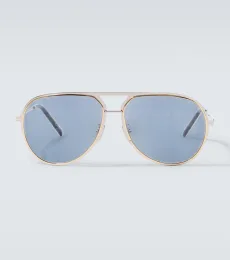
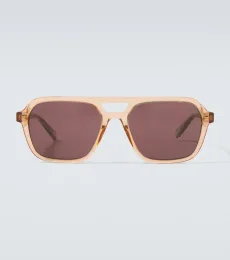
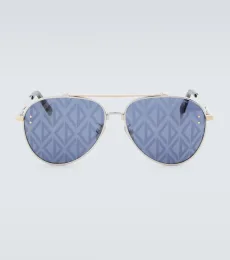
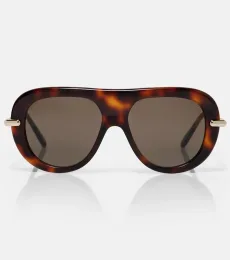
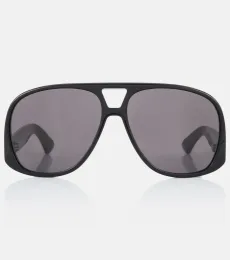
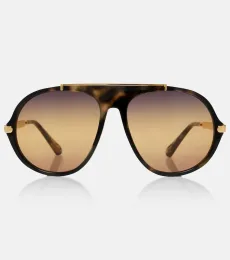
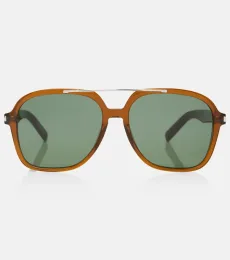
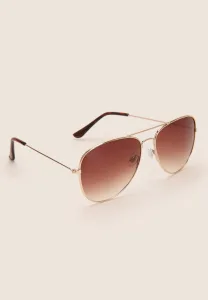
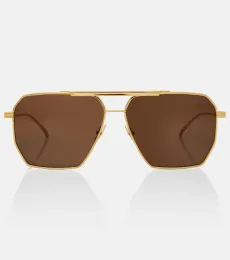
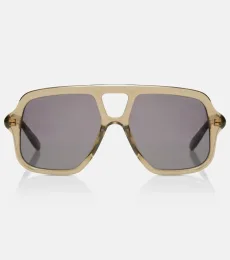
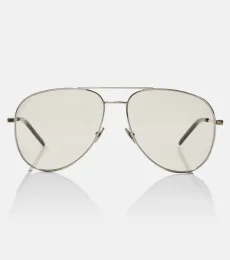
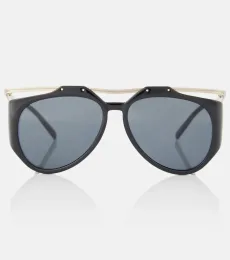
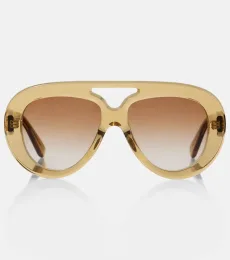
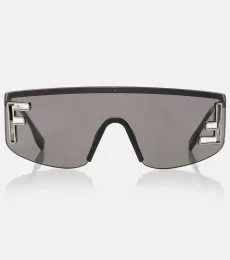
Lunettes de soleil Fendi Sport à logo
Shipping : Delivery Costs Apply£415.00 £290.00
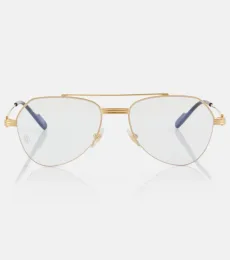
PremiÃre aviator glasses
Shipping : Delivery Costs Apply£1,130.00
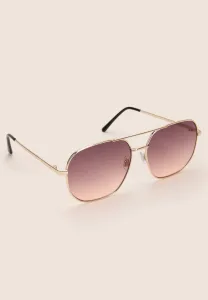
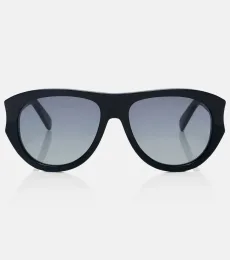
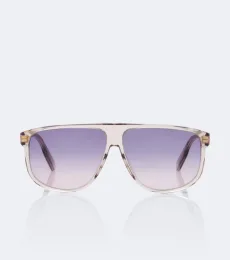
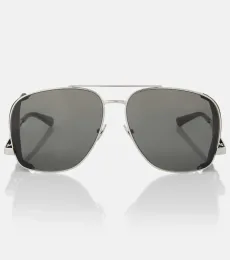
SL 653 Leon Spoiler aviator sunglasses
Shipping : Delivery Costs Apply£470.00
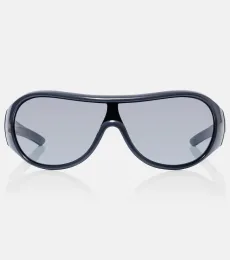
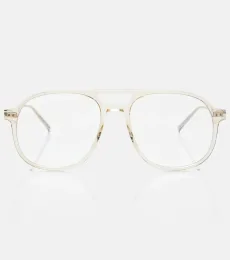
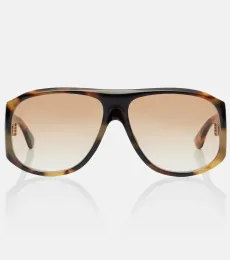
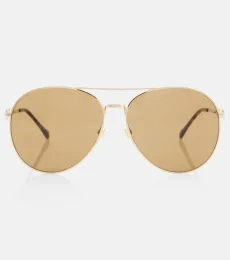
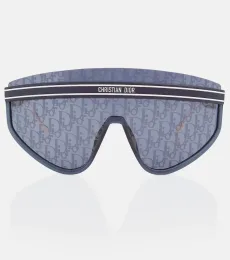
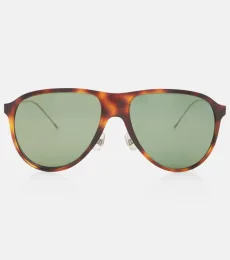
Sartorial Sunset aviator sunglasses
Shipping : Delivery Costs Apply£665.00
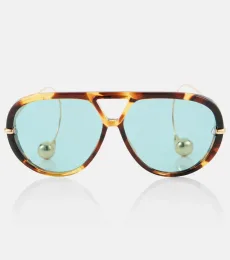
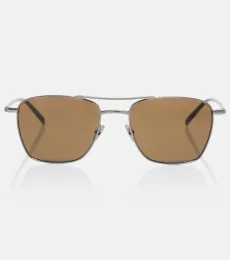
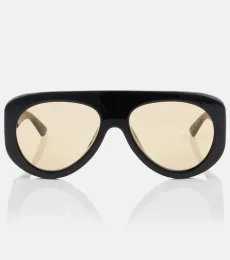
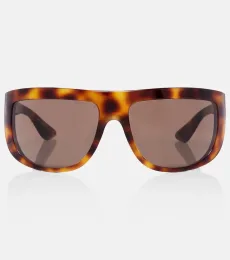
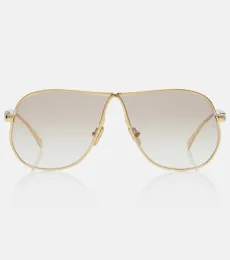
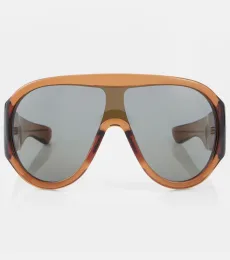
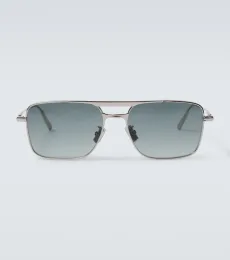
DiorBlackSuit S17U aviator sunglasses
Shipping : Delivery Costs Apply£360.00
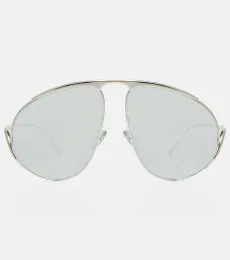
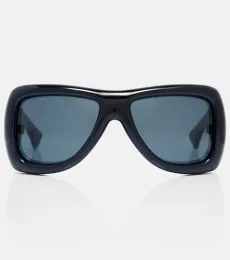
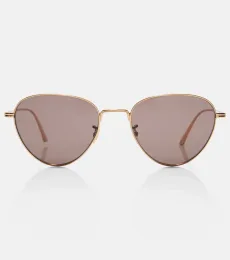

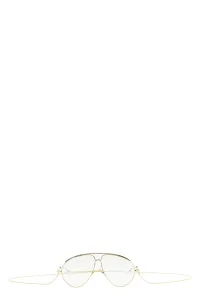
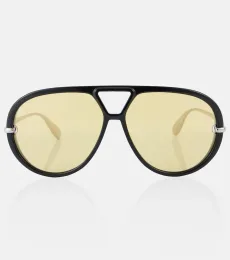
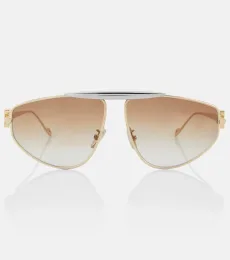
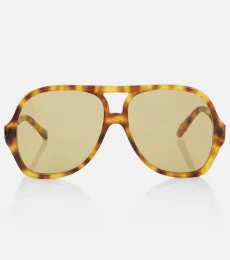
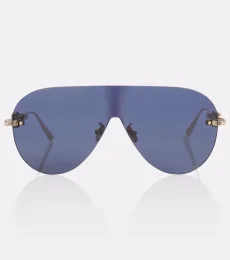
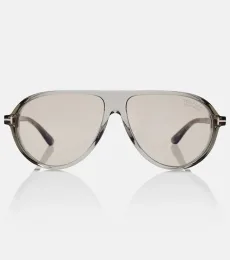
Lunettes de soleil aviateur Marcus T Icon
Shipping : Delivery Costs Apply£345.00
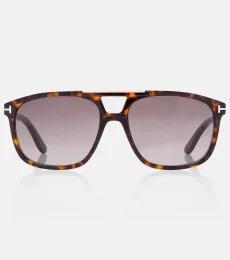
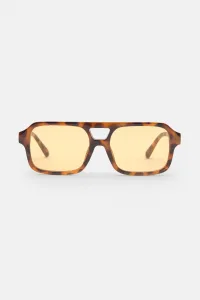
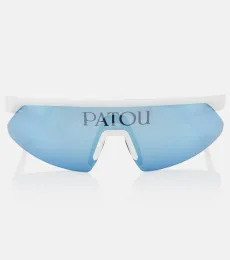
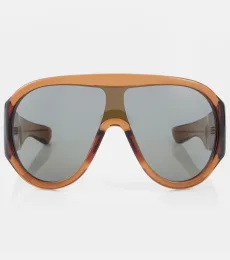
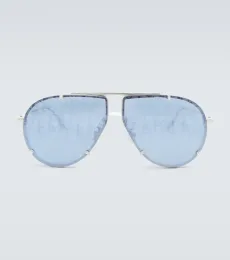
Dior Eyewear DiorBlackSuit A2U aviator sunglasses
Shipping : Delivery Costs Apply£570.00
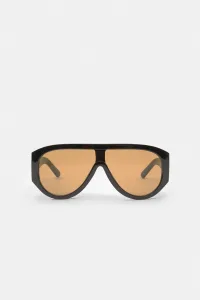
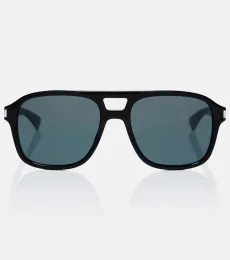
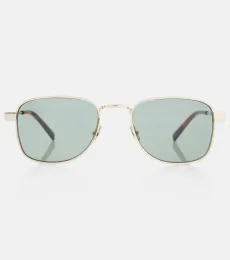
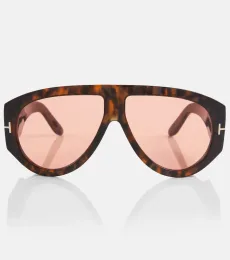
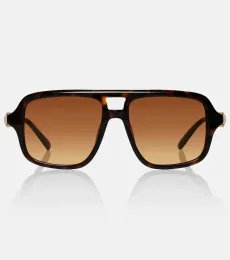
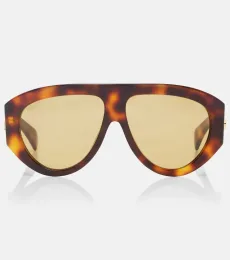
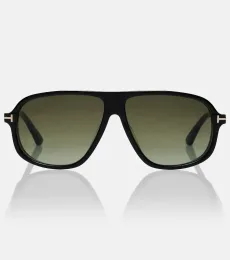
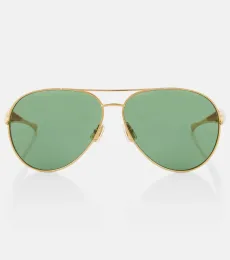
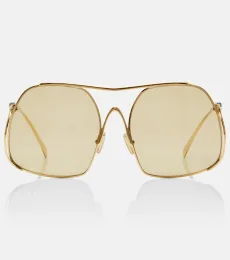
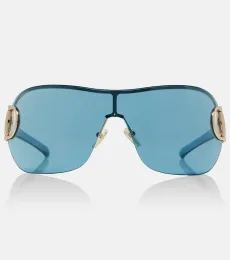
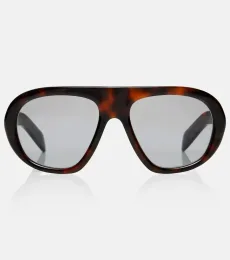
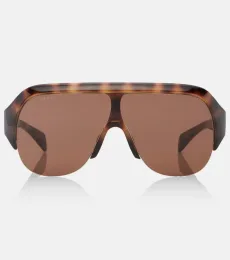
Aviator Sunglasses: The Pilot's Original That Became Fashion's Most Iconic Lens Shape
Aviator sunglasses — the teardrop-shaped, metal-framed, double-bridge sunglasses originally designed for US military pilots in the 1930s — are the single most recognisable sunglasses shape in the world. The design's military-to-fashion journey is one of the most successful in accessory history: Ray-Ban produced the original aviators for the Army Air Corps, pilots wore them, Hollywood adopted them (Tom Cruise in Top Gun being the commercial inflection point that made aviators a mass-market phenomenon), and every subsequent decade has maintained the aviator's position as one of the two or three default sunglasses shapes that never go out of style. The teardrop lens, the thin metal frame, the double bridge connecting the two lenses — every element is instantly recognisable, and that recognition is part of the style statement: wearing aviators communicates an awareness of design history that generic sunglasses don't carry.
The teardrop lens shape serves both functional and aesthetic purposes. Functionally, the large, curved lens provides extensive coverage — shading the eyes, the brow, and the upper cheeks from UV radiation in a wider field than smaller, fashion-oriented shapes. Aesthetically, the lens shape is universally flattering because its proportions (wider at the top, narrowing toward the bottom) complement the natural structure of most face shapes — the broad upper section covers the brow area, and the narrowing lower section follows the cheekbone, creating a frame-to-face relationship that looks proportionate on oval, round, square, and heart-shaped faces alike.
The frame construction in aviators is traditionally thin metal — gold, silver, or gunmetal wire that's light enough to be comfortable during extended wearing and thin enough to not obscure the face behind bulky frames. This thin-frame construction is part of the aviator's appeal: the sunglasses are visually present but not dominant, shading the eyes without hiding the face behind the frames. Contemporary aviators include thicker metal frames, acetate (plastic) frames in the aviator shape, and mixed-material frames (metal bridge and temples with acetate nose pads), but the classic thin-metal construction remains the most iconic and the most versatile.
Lens colour in aviators affects both the visual aesthetic and the light-filtering function. Green lenses (the original Ray-Ban G-15 lens) provide the most accurate colour perception — they filter light without significantly altering how colours appear, which is why pilots used them. Grey lenses provide the most neutral filtering — they darken without colour-shifting, making them the most versatile for driving and general outdoor use. Brown or amber lenses enhance contrast — they sharpen details in hazy or low-light conditions, making them preferred for overcast days and variable-light environments. And mirrored lenses (reflective coatings that hide the eyes behind a mirror surface) provide maximum light reduction and the specific, slightly mysterious quality of sunglasses that conceal the wearer's eyes entirely.
Styling aviator sunglasses leverages their iconic, effortlessly-cool quality. With a leather jacket — the combination that carries the maximum rock-and-roll, pilot-cool credibility. With a summer dress — the aviator's structured, metallic quality contrasts with the dress's soft femininity, creating a high-low tension that's both flattering and interesting. With a blazer and jeans — the smart-casual combination where the aviators add a personal-style detail that the outfit's simplicity welcomes. With a trench coat — the aviator-and-trench combination carries specific cinematic associations (spy films, detective stories) that make the pairing feel deliberate and characterful. And with a fedora — the hat-and-sunglasses combination that provides complete face-framing with the two most iconic accessories in the wardrobe.
UV protection is the health function that all sunglasses should provide and that quality aviators deliver comprehensively. Look for UV400 or '100% UV protection' labelling — this ensures the lenses block all UVA and UVB radiation, protecting the eyes and the delicate skin around them from the cumulative UV damage that contributes to cataracts and premature skin ageing. Dark-tinted lenses without UV protection are actually more dangerous than wearing no sunglasses — the dark tint causes the pupils to dilate (admitting more light), and without UV filtering, the dilated pupils admit more harmful radiation than unshaded, naturally-constricted pupils would. Quality always matters; in sunglasses, it's a health matter.
Pair aviator sunglasses with round sunglasses for the alternative lens shape, with sun hats for the complete sun-protection combination, with silk scarves for the full accessories set. Browse the brands directory for eyewear labels, and check deals for sunglasses offers.
Aviator sunglasses are the eyewear equivalent of a leather jacket — an accessory so embedded in cultural history, so universally flattering, and so reliably cool that wearing them requires no explanation, no fashion justification, and no seasonal relevance. They work in summer because they're sunglasses. They work in winter because they're aviators. And they work with every outfit, every face shape, and every styling context because the design was perfected ninety years ago and nobody has managed to improve on it since. Some accessories follow trends. Aviators set them — and then outlast them, decade after decade, without changing a single thing about the original design.