
Cookware
Cookware
141 products from 29 brands
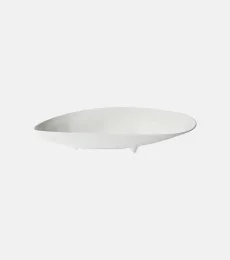
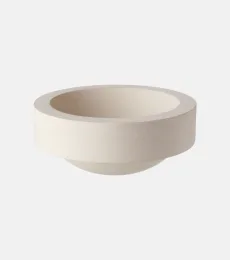
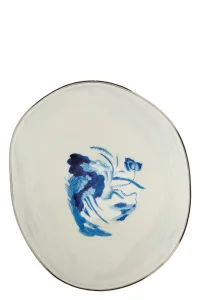
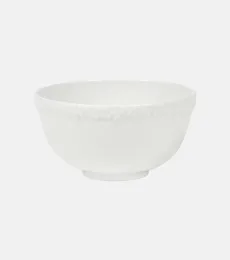
Marcel L Large porcelain bowl by Wouters Hendrix
Shipping : Delivery Costs Apply£205.00
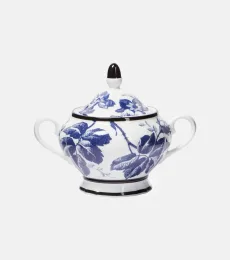
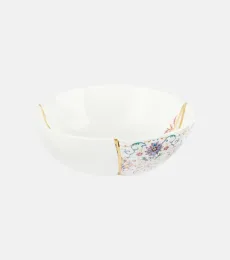
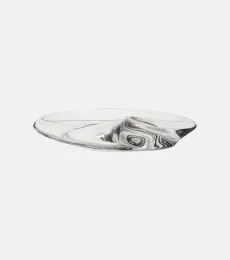
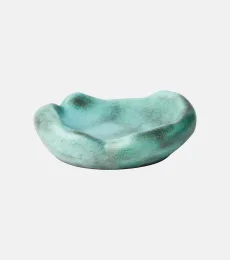
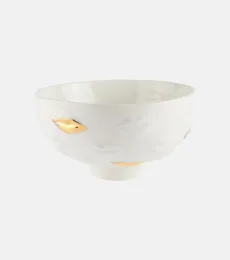
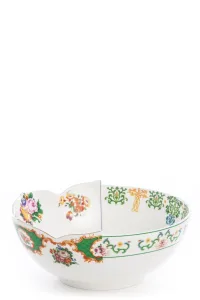
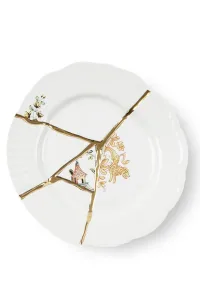
Kintsugi bowl by Marcantonio Raimondi Malerba
Shipping : Delivery Costs Apply£40.00 £32.00
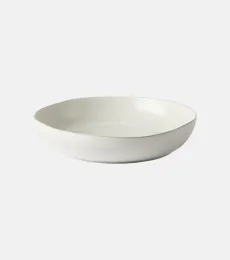
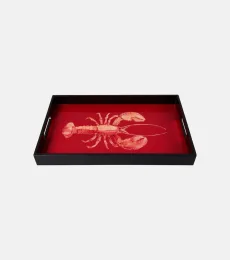

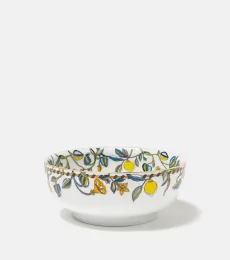
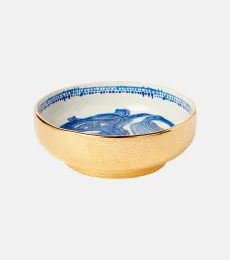
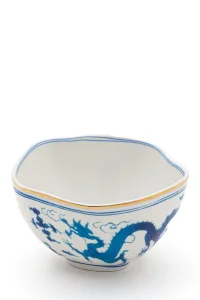
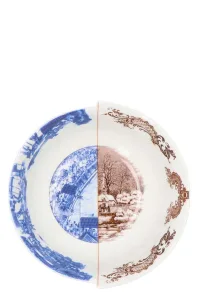
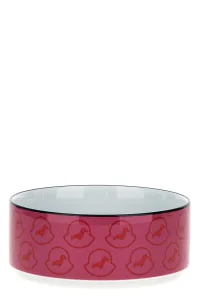
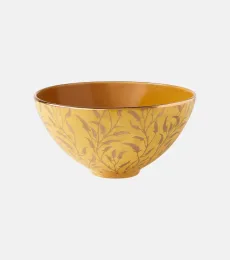
Dragon Bird Classics On Acid Silk X Diesel Living Bowl ⌀ Size U
Shipping : £20.00£37.00 £30.00

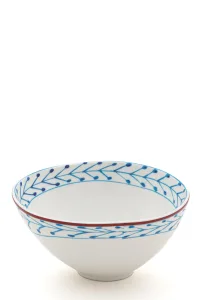
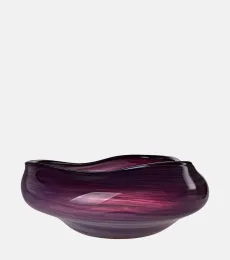
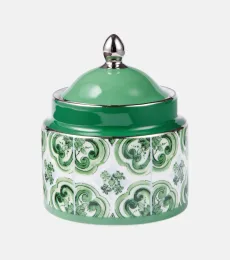
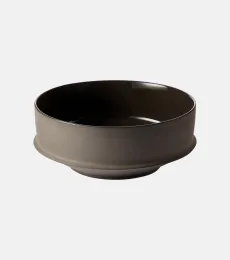
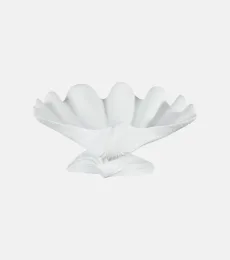
Dune Large porcelain bowl by Kelly Wearstler
Shipping : Delivery Costs Apply£160.00
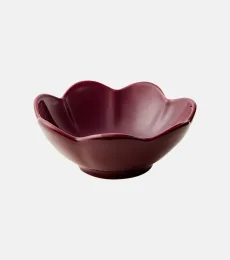
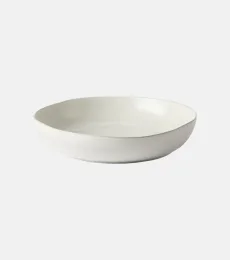
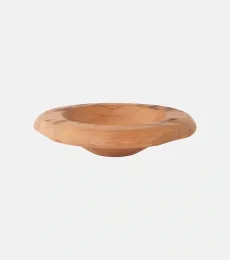
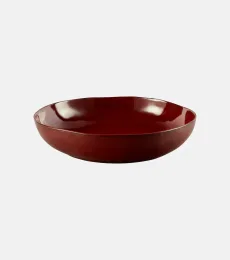
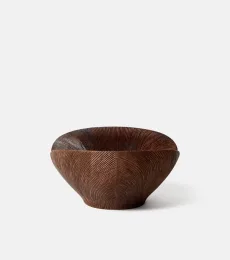
Zanat Kala Small walnut bowl by Monica Foerster
Shipping : Delivery Costs Apply£480.00
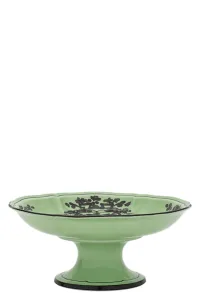
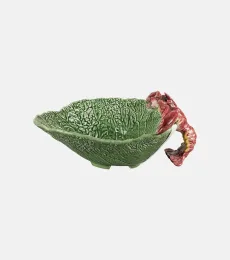
Cabbage With Lobsters salad bowl
Shipping : Delivery Costs Apply£650.00
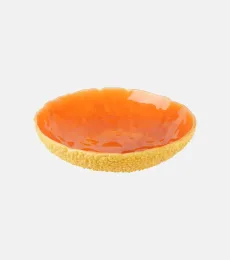
AmazÅnia earthenware fruit bowl by EcoArts
Shipping : Delivery Costs Apply£125.00
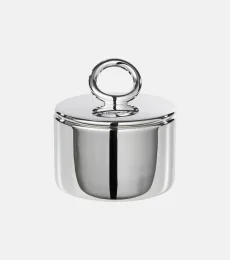
Vertigo silver-plated sugar bowl by AndrÃe Putman
Shipping : Delivery Costs Apply£465.00
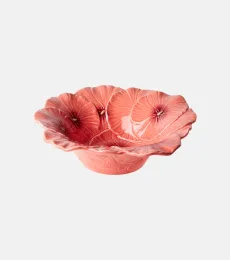
Maria Flor earthenware salad bowl
Shipping : Delivery Costs Apply£80.00 £64.00
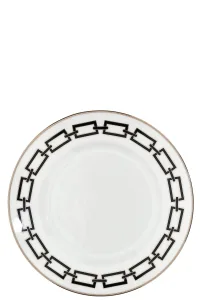
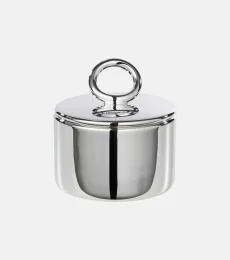
Vertigo silver-plated sugar bowl by Andree Putman
Shipping : Delivery Costs Apply£465.00
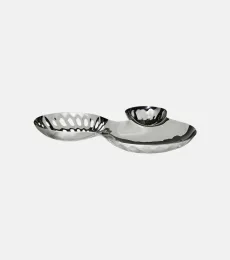
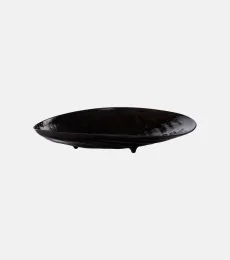
Marcel Large porcelain bowl by Wouters Hendrix
Shipping : Delivery Costs Apply£250.00
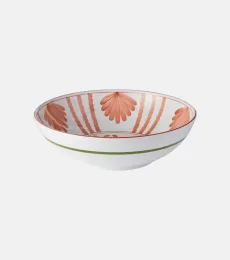
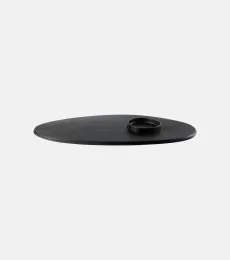
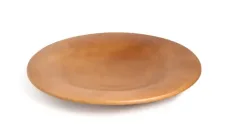
Dune wooden platter and bowl by Kelly Wearstler
Shipping : Delivery Costs Apply£320.00
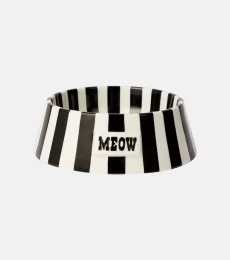
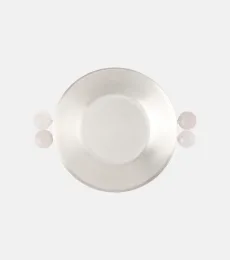
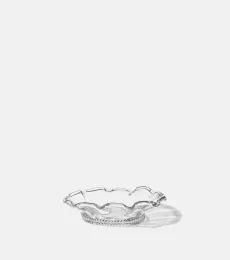
Silver-plated snack bowl with quartz
Shipping : Delivery Costs Apply£305.00
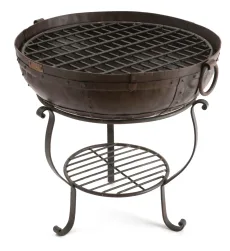
Recycled Fire Bowl including Low stand, High Stand with Shelf and Grill 0cm ( 6 people)
Shipping : Delivery Costs Apply£190.00
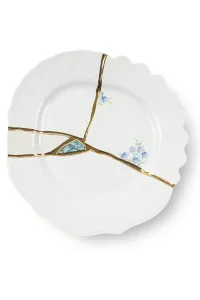
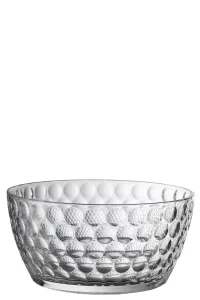
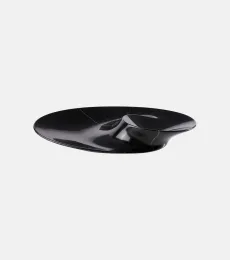
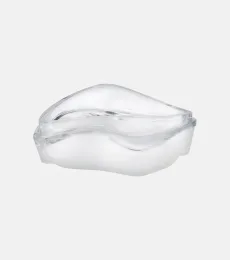
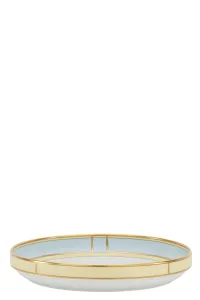
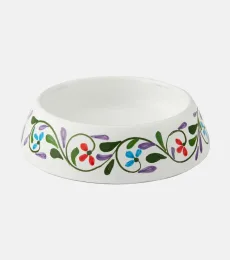
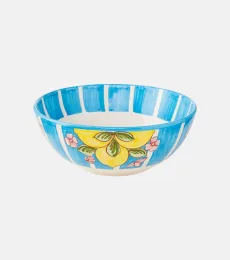
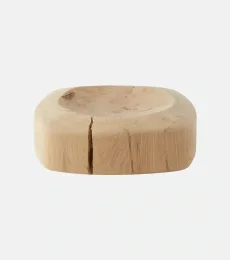
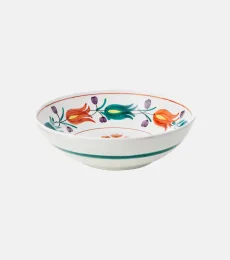
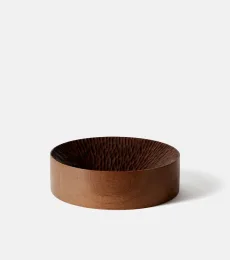
Zanat Kika walnut bowl by Jean-Marie Messaud
Shipping : Delivery Costs Apply£190.00
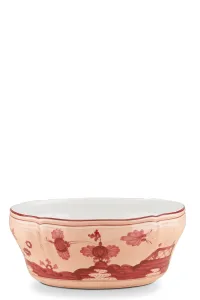
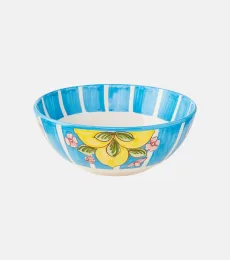
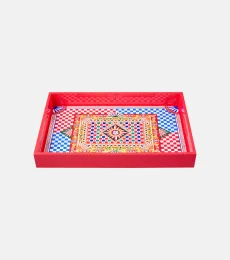
Oriente Italiano Salad Bowl ⌀ Cm Size U
Shipping : Delivery Costs Apply£471.00
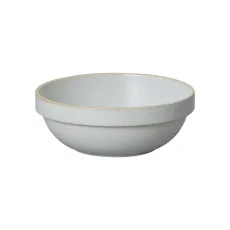
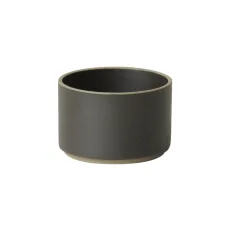
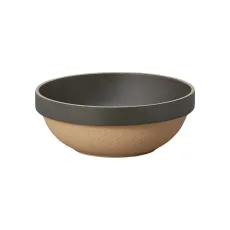
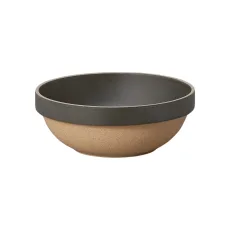
Hasami Porcelain Gloss Grey Round Bowl 18.5 cm
Shipping : Delivery Costs Apply£43.00
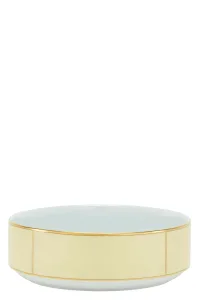

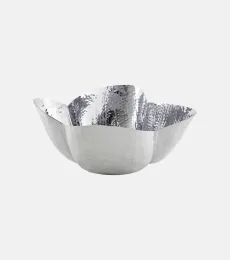
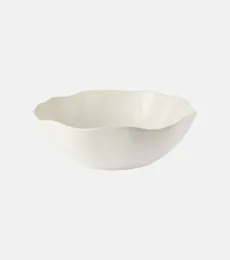
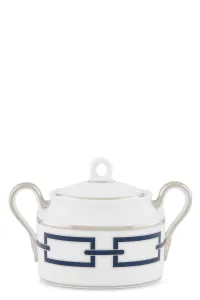
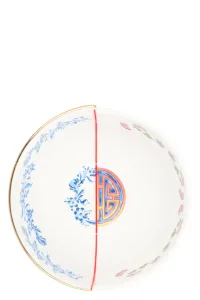
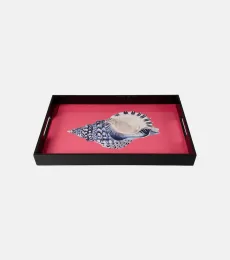
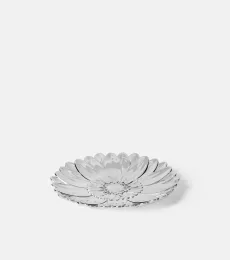
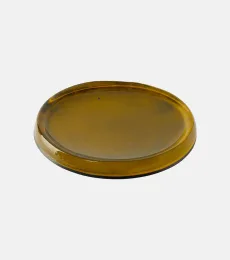
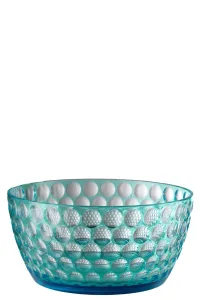
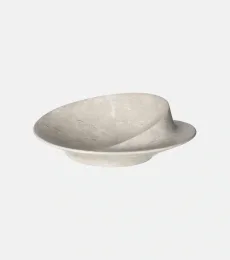
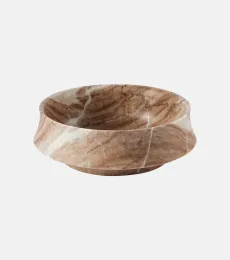
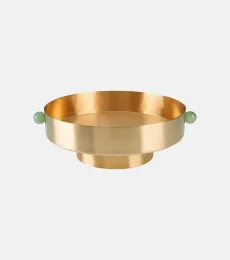
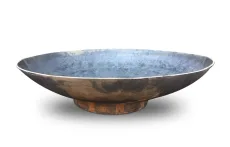
Neela Fire Bowl 5cm
Shipping : Delivery Costs Apply£206.00
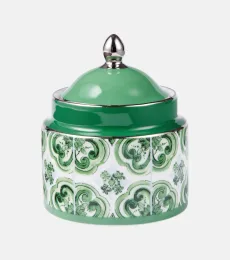
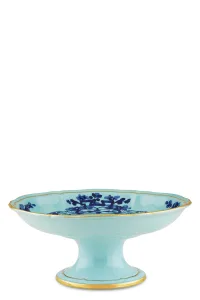
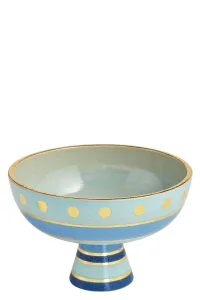
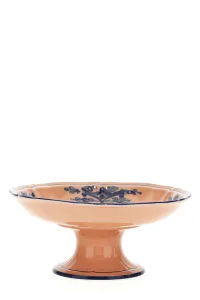
Oriente Italiano Fruit Bowl ⌀ Cm Size U
Shipping : Delivery Costs Apply£429.00
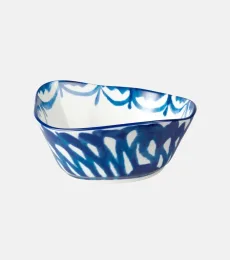
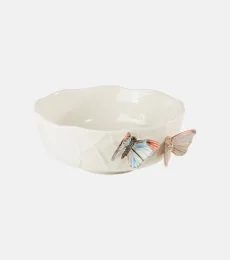
Cloudy Butterflies salad bowl by Claudia Schiffer
Shipping : Delivery Costs Apply£175.00
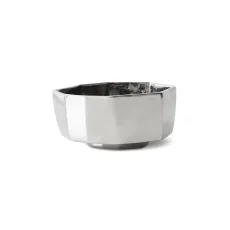
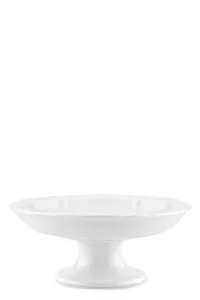
Cookware: The Kit That Actually Determines Whether Your Food Tastes Good
You can follow the same recipe as a professional chef, use the same ingredients, and still produce a mediocre result — and nine times out of ten, the difference is the cookware. A thin, warped pan with hot spots will burn your onions in one place while leaving them raw in another. A heavy-bottomed, even-heating pan does the work for you — consistent heat across the entire surface, predictable results, and food that browns rather than scorches. Good cookware doesn't make you a better cook in the skills sense, but it removes the equipment-related obstacles that prevent decent technique from producing decent food.
The cookware market ranges from single pans to comprehensive sets, covering frying pans, saucepans, stockpots, casserole dishes, woks, griddle pans, and speciality pieces like crêpe pans and paella dishes. What you need depends entirely on how you cook. A set of three good saucepans, one large frying pan, and a casserole dish covers about 95% of home cooking. Everything else is a refinement, not a necessity.
Materials: The Argument That Never Ends
Stainless steel is the professional kitchen standard. It's durable, non-reactive (won't affect the flavour of acidic foods like tomato sauces), oven-safe, dishwasher-safe, and virtually indestructible. The surface develops a natural non-stick quality when heated and oiled properly — professional chefs rarely use non-stick pans, relying instead on technique and good stainless steel. The downside: stainless steel conducts heat unevenly on its own, which is why quality stainless pans have an aluminium or copper core sandwiched between the steel layers. This "clad" construction combines even heating with the durability and non-reactivity of steel. It's the best all-round cookware material if you're buying one set for life.
Non-stick pans are the convenience kings. Eggs slide off without oil. Pancakes flip effortlessly. Cleanup takes seconds. They're the right choice for low-fat cooking, delicate foods (fish, eggs, crêpes), and anyone who prioritises easy washing up over ultimate cooking performance. The coating degrades over time — expect two to five years from a good non-stick pan, less if you use metal utensils, cook on high heat, or put it through the dishwasher. Ceramic non-stick is marketed as a healthier, more eco-friendly alternative to PTFE (Teflon); it performs well initially but tends to lose its non-stick properties faster.
Cast iron is the heirloom material. A cast iron skillet heated properly sears meat better than anything else available to a home cook. It retains heat beautifully (keeping food warm at the table), distributes it evenly once heated (though it takes longer to heat up than steel or aluminium), and develops a natural non-stick seasoning over years of use. Cast iron is heavy — genuinely, noticeably heavy — which is either a feature (stability, even cooking) or a drawback (wrist strain, storage) depending on your perspective. A well-maintained cast iron pan will outlast you; your grandchildren can inherit it.
Essential Pieces and What They Do
A 24–28cm frying pan handles everything from eggs to stir-fries to pan-seared fish. This is the most-used pan in any kitchen, so invest in the best one you can afford. A set of saucepans — small (16cm), medium (18cm), large (20cm) — covers sauces, vegetables, grains, soups, and anything that needs simmering or boiling. A casserole dish or Dutch oven handles slow cooking, braising, stews, and one-pot meals; it goes from hob to oven to table, reducing washing up and keeping food warm during the meal.
A large stockpot (at least 8 litres) is essential if you make stock, soup in bulk, pasta for a family, or anything that needs serious volume. For baking that involves the hob — caramel, jam, candy — a heavy-based saucepan prevents the sugar mixtures from burning, which a thin pan absolutely will.
Buying Sets vs Individual Pieces
Sets are cheaper per piece but often include sizes you'll rarely use. A typical five-piece set might include a pan you'll use daily, two you'll use weekly, and two that live permanently at the back of the cupboard. Buying individual pieces in the sizes you actually need — even if the per-unit cost is higher — often gives you a better collection that you use entirely. Start with the three essentials (frying pan, medium saucepan, casserole), then add pieces as gaps in your cooking reveal themselves. A wok for stir-fries, a griddle pan for steaks and halloumi, a milk pan for porridge and sauces — let your actual cooking habits drive the purchases rather than a marketing department's idea of what a "complete" kitchen looks like.
Browse cookware from top brands — stainless, non-stick, cast iron — and check our deals for set savings and individual pieces at reduced prices. Pair with utensils, pans, and kitchen accessories for a complete cooking setup.